Why cell signal dies in underground garages, and how boosters fix it
Concrete, steel and low-E glass block cell signal. Here is how a building cell booster works, where it helps most, and what a survey should cover.
Residents notice it first in the elevator and the underground garage: calls drop, messages hang, and ride-share apps cannot find them. Staff notice it in basement mechanical rooms. The building is not broken; it is doing what concrete and steel do to radio signals.
Why signal fades indoors
- Concrete and rebar absorb and reflect cell signal
- Low-E coated windows, common in newer buildings, block it more than older glass
- Underground levels have earth on most sides and only a ramp to the outside
- Elevators are steel boxes inside concrete shafts
How a booster works
A cell booster has three parts:
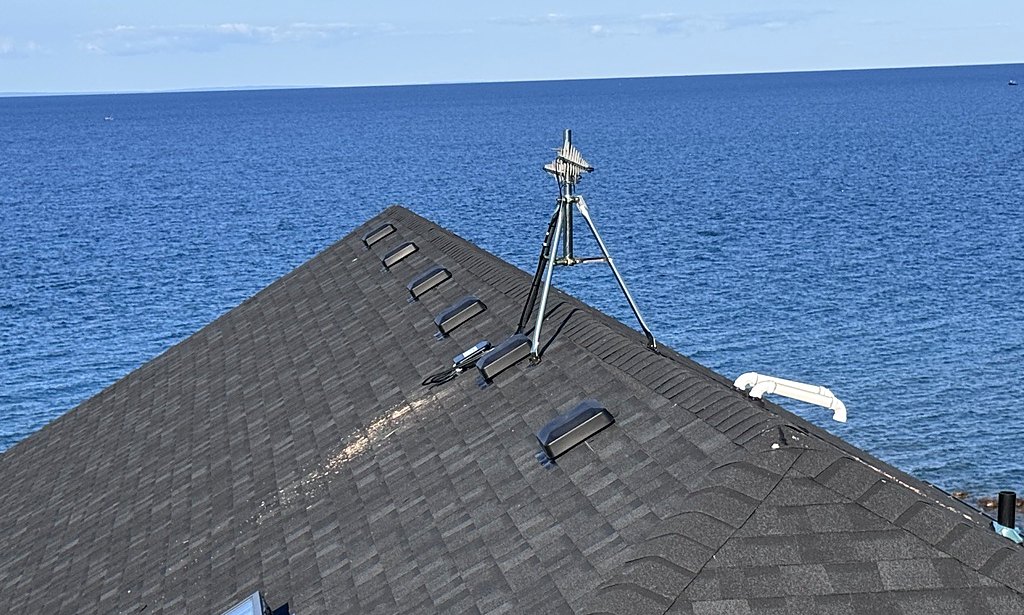
- A donor antenna on the roof, aimed at the nearest towers
- An amplifier that strengthens that signal
- Indoor antennas that rebroadcast it where coverage is weak
Coax cable connects them, usually through the same risers and ceiling spaces as other low-voltage cabling.
Where buildings need it most
- Underground parking levels
- Lobbies and elevator lobbies
- Amenity rooms and gyms below grade
- Management offices and mechanical rooms
What a good survey covers
Before quoting, an installer should measure signal on the roof and in every problem area, by carrier. That shows whether there is a usable outside signal to amplify, where the donor antenna should go, and how many indoor antennas are needed. Without a survey, a booster can be undersized or point at the wrong tower.
Practical questions
- Does the roof have a mounting point, and who needs to approve roof access?
- Where will the amplifier live, and does it need power and ventilation?
- Can coax run through existing risers?
After installation
The system should be tuned so each area gets steady coverage without interfering with the outside network, and the results recorded. Re-test if carriers change towers or the building adds new spaces.